GET HELP

RED FLAG ALERTS
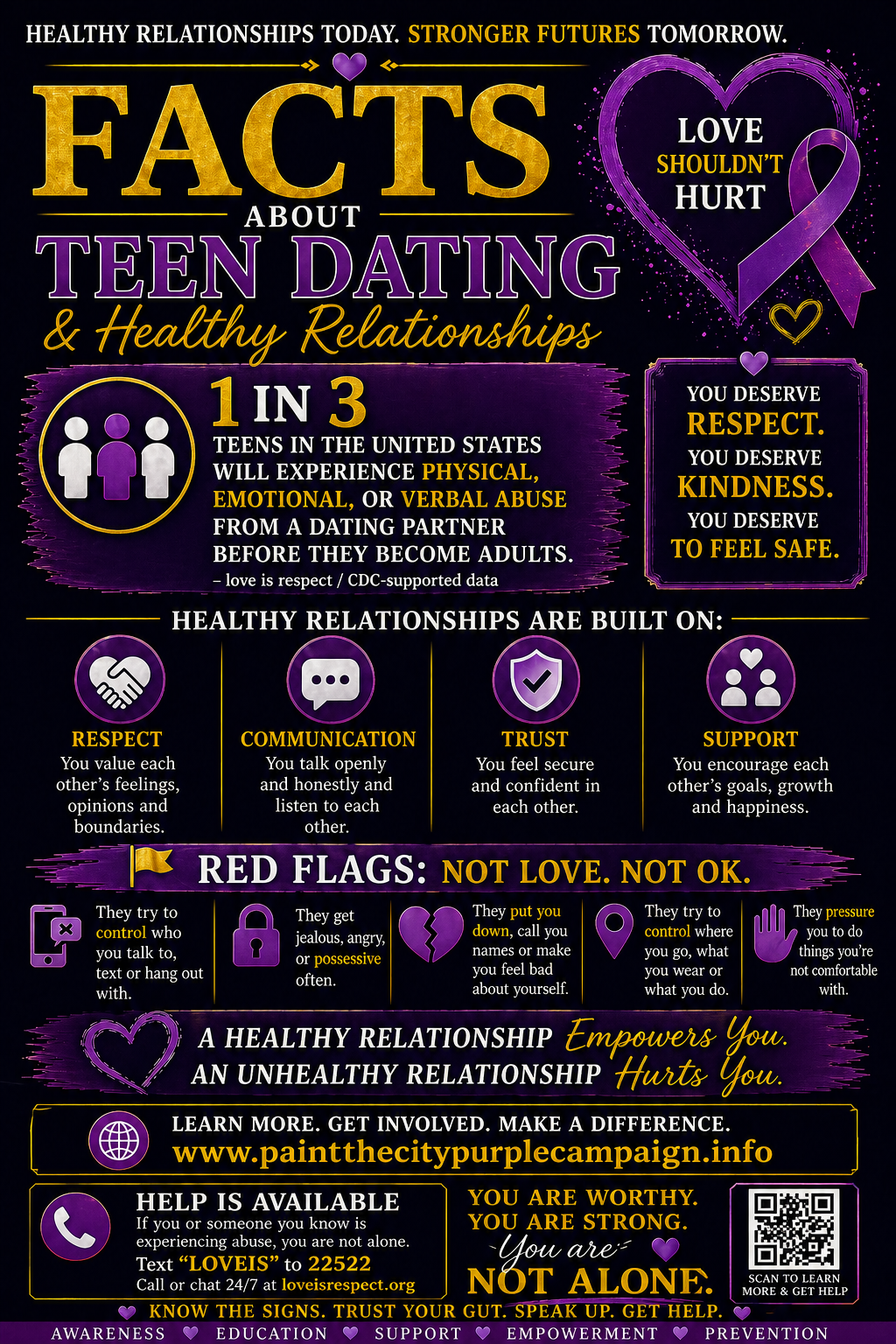
Recognizing early warning signs of a potentially abusive relationship can be crucial. Here are some red flags to be aware of. Recognizing these behaviors early on can help you identify unhealthy patterns that might escalate into abuse. Trust your instincts, and don’t hesitate to seek help or set firm boundaries if these signs appear.
Controlling Behavior and Jealousy
Early signs of jealousy or possessiveness, such as wanting to know your location at all times or discouraging you from spending time with friends or family.
Quick Involvement and Intensity
They push for commitment very quickly or claim intense love soon after meeting, often trying to isolate you from others to “focus on the relationship.”
Blaming Others and Refusing Responsibility
They never accept fault, often blaming others for their problems, including failed past relationships, work issues, or even minor daily inconveniences.
Frequent Put-Downs or Criticism
They make frequent negative comments about your looks, career, or intelligence, often disguised as “jokes” but making you feel inadequate or embarrassed.
Extreme Mood Swings
Their emotions shift rapidly, from intense affection to anger, which can be unsettling and unpredictable. They may react disproportionately to small issues.
Intimidation and Threats
They make threats, either overt or subtle, to make you feel insecure or fearful about leaving the relationship.
Pressure for Physical Boundaries
They push or pressure you into physical intimacy, disregarding your comfort level or personal boundaries.
Disregard for Your Feelings and Opinions
They belittle your ideas or emotions, making you feel “silly” or “overreacting” whenever you express discomfort or voice your needs.
The Impact of PTCP: A Global Movement for Change
By supporting the Paint the City Purple Campaign™ (PTCP), you join a worldwide network dedicated to preventing domestic violence. PTCP is on a mission to create safe spaces, offer educational resources, and empower survivors, advocates, and communities to understand, prevent, and respond to abuse. Together, we’re building a global foundation of strength and resilience against violence.
Raising Awareness Through Visibility
Our Paint the City Purple Campaign™ is about creating visibility that cannot be ignored. Through high-visibility events, media campaigns, and global partnerships, PTCP rallies communities to “paint” cities purple, symbolizing
Supporting Survivors with Resources and Networks
Survivors deserve compassion and support that empowers them to rebuild. PTCP’s Global Initiative provides critical resources such as counseling, legal guidance, and safe shelters. We also train advocates and supply resources to communities, making help readily available to those who need it most, where they need it.
Engaging the Next Generation
At PTCP, we believe that lasting change begins with youth. Through global partnerships, we equip young people with tools to foster healthy relationships, recognize signs of abuse, and become advocates within their communities. Together, we’re shaping a world where empathy, respect, and integrity are foundational values for the next generation.
Creating a Legacy of Change
Our movement is more than an awareness campaign; it’s a commitment to lasting change. Supporting PTCP is an investment in a future free from domestic and gender-based violence. Every donation, partnership, and pledge strengthens the foundation of this movement, ensuring that the impact of our work endures, creating a legacy of empowerment and safety for all.
PTCP Reporting & Crisis Assistance Resources
Emergency Reporting Hotlines
- CyberTipline – Report internet-related CSA or trafficking anonymously
1-800-THE-LOST | Visit Website - Childhelp National Child Abuse Hotline – 24/7 confidential support and reporting
1-800-4-A-CHILD | Visit Website - Say Something Hotline – Anonymous student reporting system connected to schools and law enforcement
Visit Website - National Human Trafficking Hotline – Report suspected human trafficking anonymously
1-888-3737-888 | Visit Website - Federal Law Enforcement Hotline – Report trafficking directly
1-866-347-2423 | Visit Website
Crisis Assistance & Advocacy
- NC Coalition Against Sexual Assault
- Children’s Advocacy Centers of North Carolina
- Download Prevention PDF
- Visit CDC Violence Prevention Hub
- NOVA – National Organization for Victim Assistance
North Carolina Laws & Reporting Tools
- NC HTC Resource Directory PDF
- Reporting Protocol Flowchart (Printable)
- Responding & Reporting Overview (Printable)
- List of Reportable CSA Crimes
- DSS Reporting Guide (Printable)
- Find Your County DSS Office
- Law Enforcement Directory
- Read the Law
- Principal and School Employee Reporting Laws (Printable Summary)
Information and Support: Domestic Abuse
If you, or someone you know, have been affected by domestic abuse or violence, the following organisations may be able to help. If you are in immediate danger, you should dial 999.
- Childline - If you’re a child and in a situation where you may be experiencing domestic abuse, Childline can offer some advice or support via their free, 24-hour confidential helpline for children and young people who need to talk.
Phone: 0800 1111
- The National Domestic Abuse Helpline
The 24 hour National Domestic Abuse Helpline is for women experiencing domestic abuse, their family, friends and others calling on their behalf.
Phone: 0808 2000 247
The 24 hour National Domestic Abuse Helpline
The 24 Hour Domestic & Sexual Abuse Helpline (Northern Ireland)
- The 24 Hour Domestic & Sexual Abuse Helpline (Northern Ireland) offers referral to a range of services to all women, men and children affected by domestic & sexual violence.
Phone: 0808 802 1414
Visit the 24 Hour Domestic & Sexual Abuse Helpline website
- Scotland's Domestic Abuse and Forced Marriage Helpline
Scotland's Domestic Abuse and Forced Marriage Helpline offers telephone information and support to anyone affected by domestic abuse or forced marriage.
Phone: 0800 027 1234 (24/7)
Visit Scotland's Domestic Abuse and Forced Marriage Helpline website
- Live Fear Free Helpline
Live Fear Free Helpline is a confidential, sign posting and information service for anyone experiencing domestic abuse and/or sexual violence in Wales.
Phone: 0808 80 10 800 (24/7)
Visit the Live Fear Free website
- SignHealth
SignHealth provides domestic abuse and sexual violence support for deaf people, NHS therapies for deaf people with anxiety and depression, and wellbeing sessions for deaf children and young people.
Text: 078600 33214
Visit the SignHealth website
- Refuge
Refuge provides safe, emergency accommodation and emotional and practical support to women and children experiencing domestic abuse.
- Men's Advice Line
Men’s Advice Line is a confidential service for male victims of domestic abuse offering support help men keep themselves (and their children) safe.
Phone: 0808 801 0327
Visit the Men's Advice Line website
- Abused Men in Scotland
Abused Men in Scotland supports men who are, or have experienced, domestic abuse.
Phone: 03300 949 395
Visit the Abused Men in Scotland website
- The ManKind Initiative
The ManKind Initiative provides confidential help and support for male victims of domestic abuse and domestic violence.
Phone: 0808 800 1170
Visit the ManKind Initiative website
- National Helpline for LGBT+ Victims and Survivors of Abuse and Violence
National Helpline for LGBT+ Victims and Survivors of Abuse and Violence run by Galop, provides support to LGBT people suffering abuse, including domestic, or sexual abuse or violence, hate crime, and conversion therapy.
Phone: 0800 999 5428
- Hourglass
Hourglass works to protect, and prevent the abuse of, vulnerable older adults and provides a confidential helpline for anyone concerned - including older people themselves, their friends and relatives.
Phone: 0808 808 8141
- Information from the Government
Visit the UK Government website
- Victim Support
Victim Support provides emotional and practical help to victims or witnesses of any crime, whether or not it has been reported to the police.
Phone: 0808 16 89 111 (24/7)
Visit the Victim Support website
Victim Support NI
Victim Support NI offers emotional and practical support to all victims and witnesses of crime across Northern Ireland.
Phone: 028 9024 3133
Visit the Victim Support NI website
Victim Support Scotland
Victim Support Scotland offers emotional and practical support to all victims and witnesses of crime across Scotland.
Phone: 0800 160 1985
Visit the Victim Support Scotland website
Other sources of information: Domestic abuse
These organisations may refer to other support services that the BBC has not necessarily verified.
- Women's Aid
Women's Aid provides practical support and information for women experiencing domestic violence via the Survivor's Handbook and local domestic violence services.
Women's Aid Northern Ireland
Visit the Women's Aid Northern Ireland website
Scottish Women's Aid
Visit the Scottish Women's Aid website
Related Information and Support
If you have also been affected by forced marriage or honour violence, organisations listed on our Forced marriage and honour violence support page may be able to help.
the love shouldn't hurt project
An event running from 2025 through 2026

Our Promise to You
By the end of this workshop, we hope you feel:
• Heard: Your story matters, and your voice is powerful.
• Supported: You are part of a community that cares about you.
• Empowered: You have the strength and tools to take the next steps in your journey.
We are honored to be a part of your healing journey and thank you for trusting us to walk alongside you. Let’s begin this powerful experience together.
Survivor’s Stories
Welcome to the Voices of Resilience Workshop
Thank you for joining us for this empowering and transformative experience. This workshop is designed to provide survivors of domestic abuse and gender-based violence with a safe space to share, learn, and grow. Here’s what you can expect from today’s session and how it will help you build resilience for the future.
What This Workshop Looks Like
1. Safe and Supportive Environment
• This is a judgment-free zone where your story and feelings are respected.
• We have counselors and support staff on hand for anyone who needs assistance.
2. Guided Storytelling Sessions
• Participants will share their stories in a structured, supportive manner.
• You’ll hear from others who have walked similar paths, finding solidarity in shared experiences.
3. Interactive Activities
• Engage in exercises designed to help you process emotions, build confidence, and develop self-care routines.
• Activities may include journaling, mindfulness practices, and group discussions.
4. Educational Segments
• Learn about the dynamics of abuse and the impact it has on survivors.
• Explore tools and resources to navigate your healing journey and empower your future.
5. Celebration of Strength and Resilience
• Acknowledge the courage it takes to face adversity and rebuild.
• Celebrate every step, big or small, toward reclaiming your life and identity.
How It Helps You Build Resilience
1. Understanding Your Journey
• Sharing and listening to stories can help validate your experiences.
• Recognizing that you are not alone fosters a sense of community and belonging.
2. Gaining Practical Tools
• Learn strategies for managing stress, building boundaries, and fostering self-love.
• Explore actionable steps for regaining control and setting goals for your future.
3. Strengthening Emotional Resilience
• Develop coping mechanisms to face challenges and setbacks with confidence.
• Practice mindfulness and other techniques to reduce anxiety and promote well-being.
4. Building a Support Network
• Connect with others who understand your journey and share similar experiences.
• Discover local resources, such as shelters, hotlines, and counseling services.
5. Empowering Your Voice
• Sharing your story helps reclaim your narrative and remind you of your strength.
• Advocacy opportunities allow you to inspire change and give hope to others.